Measuring What We Recover, What We Build, and Who We Engage
Impact is more than the amount of waste collected. It is about resources recovered, people engaged, systems built and the capacity to grow.
This page presents our current recorded impact and clearly separates achieved results from future project targets.

The foundation we have built so far.
Our current figures come from BSU Mandiri's community-based waste management activities. Project targets are shown separately below.
Keeping recoverable materials in circulation.
The first layer of our impact is straightforward: materials that are collected and recovered have a chance to remain resources instead of becoming disposal waste.
Collect
Recyclable materials are collected from participating households and community areas.
Weigh & Record
Materials are weighed and recorded through the waste-bank operating system.
Sort
Materials are separated according to type and recovery value.
Recover
Recoverable materials are directed back into productive material streams.
People are part of the system.
Waste systems become durable when residents, volunteers and local partners participate in them.
100+ Households
Residents participate in the community waste management network.
3 RW Connected
The operating experience has expanded beyond the original community area.
Local Volunteers
Community members help make collection and environmental activities possible.
Waste recovery can also create local value.
A functioning waste recovery system creates value not only by reducing disposal, but also through recovered materials, household savings and local operational activity.
Material Value
Recovered recyclables retain economic value and can return to productive material streams.
Household Savings
Community waste banking creates a mechanism for households to accumulate value from recyclable materials.
Local Activity
Collection, sorting and recovery create opportunities for community participation and future green jobs.
Impact is visible in the field.
Use this section to connect our numbers with real activities and people.
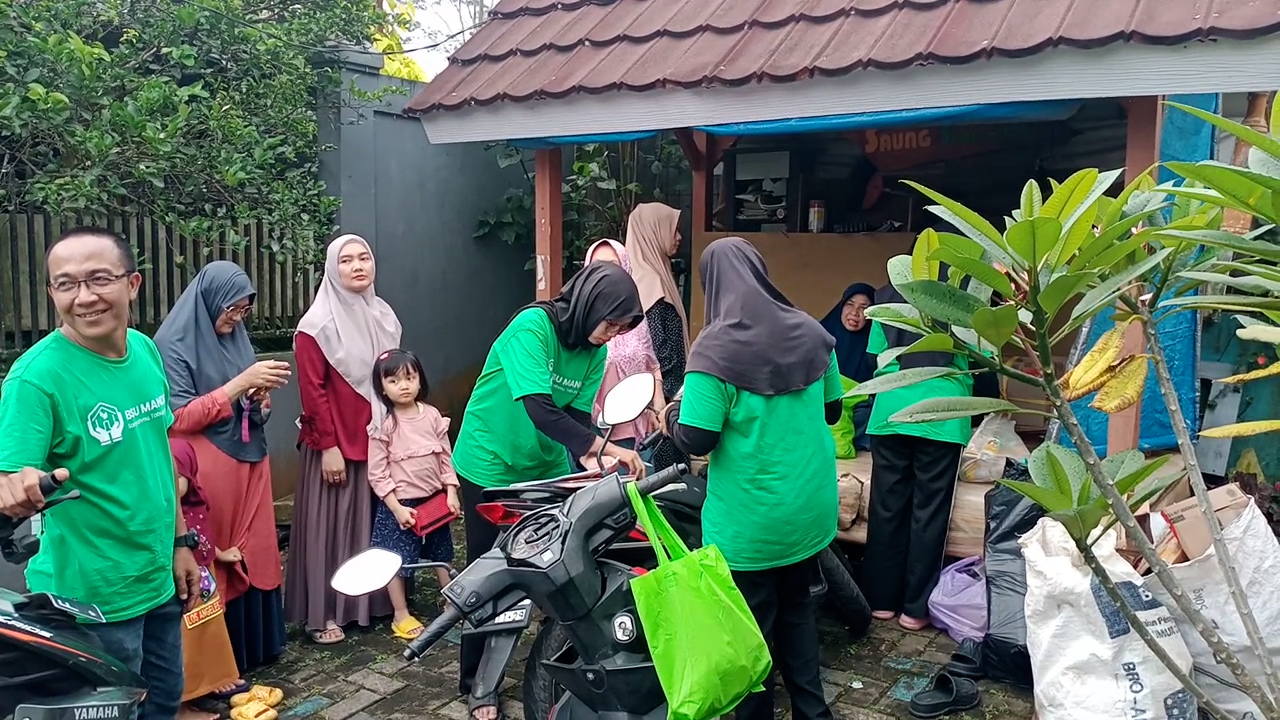
Community Collection
Regular collection turns participation into a measurable flow of recovered materials.
Field Activity
Material Recovery
Sorting and recovery help separate valuable resources from materials destined for disposal.
Field Activity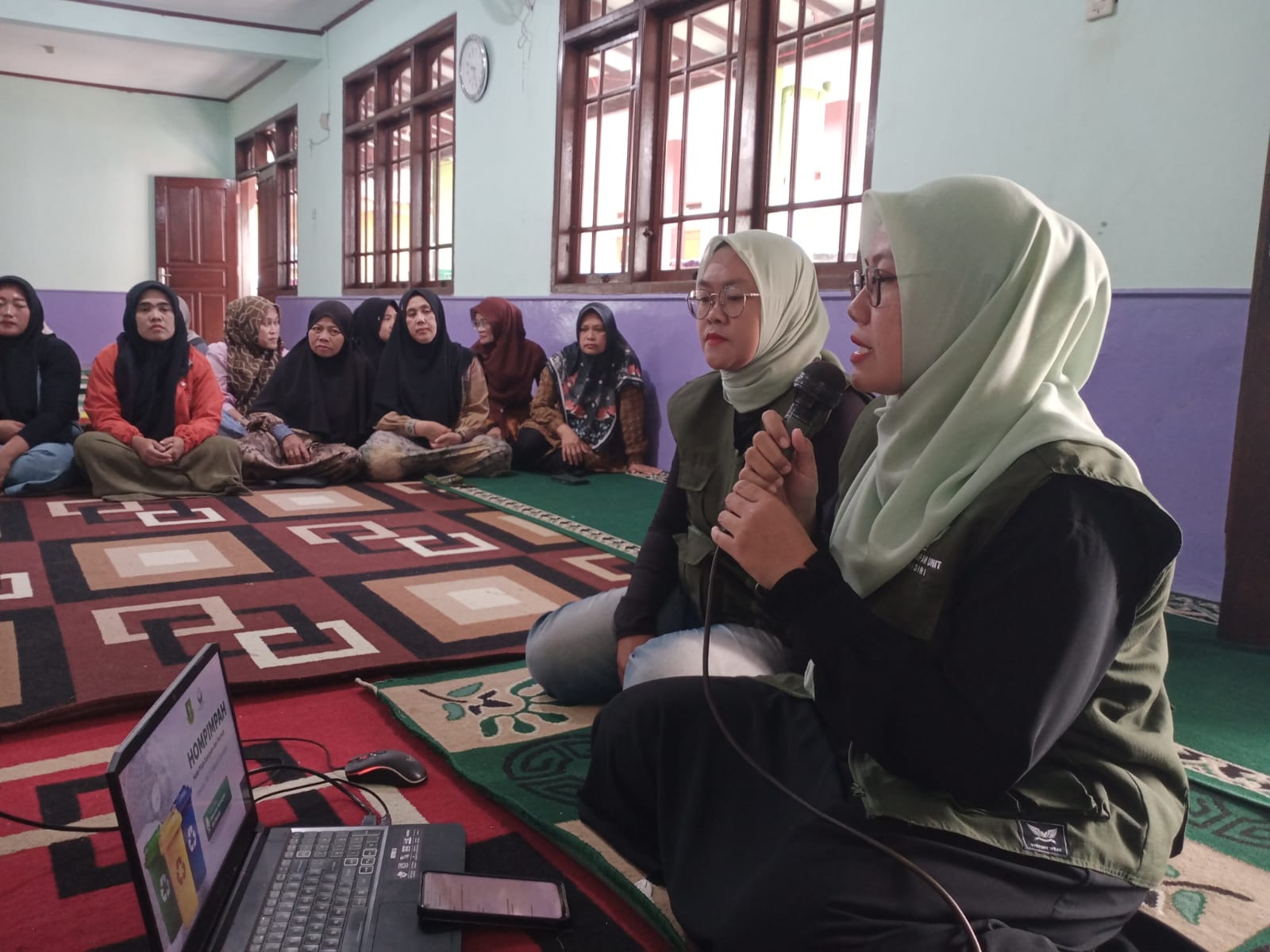
Community Participation
Local people are not just beneficiaries; they are part of the operating system.
Community
Next-Stage Development
Our organic waste initiative is the next step toward broader circular resource recovery.
DevelopingFrom proven community experience to organic waste recovery.
The next project extends our impact model to HORECA organic waste, using dedicated collection and simple local composting infrastructure.
Important: These are project targets, not achieved results.
Building a model that can grow.
Our development path is designed around progressively wider resource recovery:
Support the next stage of resource recovery.
Our impact started at community level. The next step is to demonstrate how the model can recover more resources and engage more businesses.
Fund the Next Impact → Create Impact With Us →