Where waste becomes lasting community wealth.

BSU Mandiri operates a community based waste bank in West Java, Indonesia. Transforming household waste into financial savings, organic fertilizer, and a verified environmental impact. We welcome your CSR investment or grants.

Explore Parnership
See Our Impact
100+
Active household

100%
Digital record-keeping

10,000 kg
Waste collected & sorted

6
SDGs addressed

Our model

A grassroots engine for circular economy

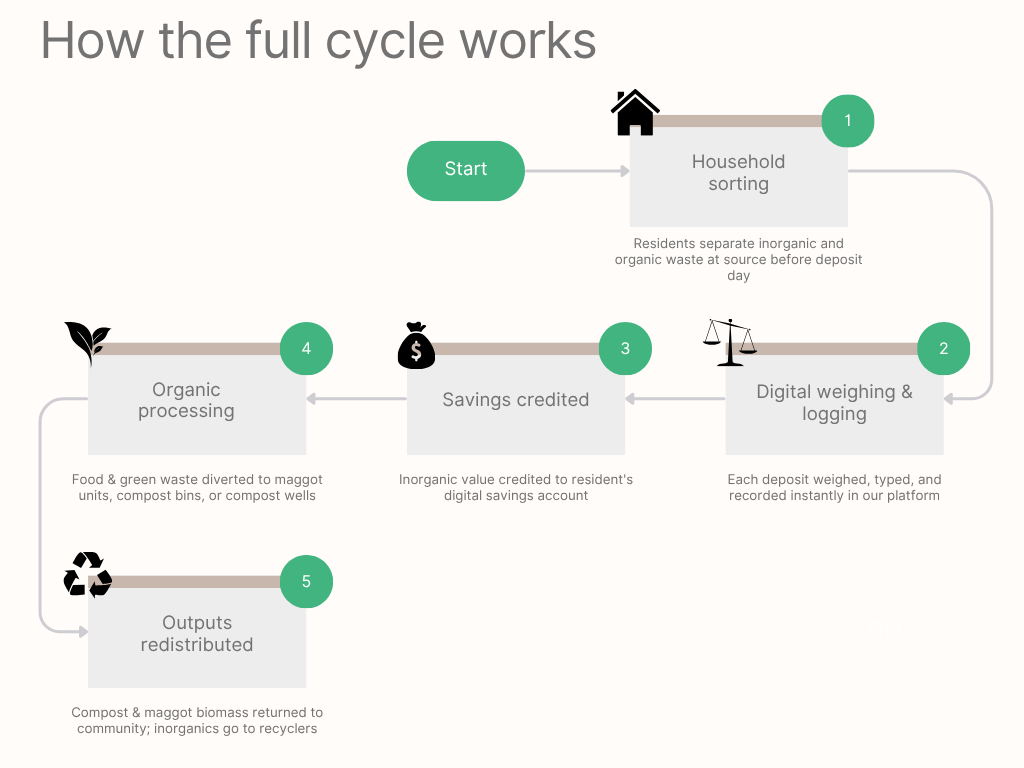
Our model We don't just collect waste — we close the loop entirely. From inorganic savings deposits to organic composting and maggot cultivation, every waste stream becomes a resource for the community.
  • Located in Sukabumi City, West Java, Indonesia — covering 10 RTs
  • Residents sort inorganic waste (plastic, paper, metal) and organic waste separately
  • Inorganic waste is weighed, digitally recorded, and converted to household savings
  • Organic waste is processed via maggot cultivation, compost bins, and compost wells
  • Finished compost and maggot biomass are redistributed to the community or sold
  • Surplus inorganic materials are channeled to certified recyclers
Why BSU Mandiri

Built for accountability, designed for scale

Digital-first operations

Every transaction logged in real time through our digital platform, transparent audit trails for all stakeholders and funders.

CSR ready structure

Formal governance with clear roles, financial accountability, and capacity to issue ESG-aligned impact reports for your corporate disclosure needs.

Full-loop waste management

We handle both inorganic and organic waste streams, the only community-level unit in Sukabumi processing all household waste types in one integrated cycle.

Replicable model

Our playbook, refined over years of ground-level operation, can be adapted to other urban neighborhoods across Indonesia and beyond.

Measurable outcomes

We track waste diversion rates, household savings growth, compost output volume, and maggot biomass yield, giving partners data-rich impact reports.

SDG aligned impact

Directly contributing to SDGs 1, 2, 3, 11, 12, and 13 — making your investment count toward global sustainability goals with verified data.

Organic waste management

Turning food scraps into living resources

While most waste banks stop at inorganic collection, BSU Mandiri goes further, managing organic household waste through three proven biological methods that produce fertilizer, animal feed, and healthy soil.

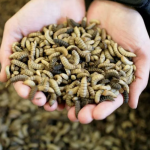
  • Black Soldier Fly (Maggot) Cultivation

Organic food waste is converted into high-protein BSF larvae — a sustainable animal feed supplement for fish and poultry farming. Residual frass becomes a rich organic fertilizer, creating a complete zero-waste cycle.

  • Compost Bins

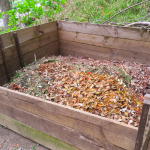
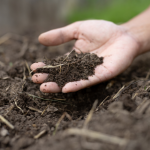
Community compost bins process vegetable scraps, leaf waste, and food residues through aerobic decomposition. Finished compost is distributed to residents and community gardens within the neighborhood.

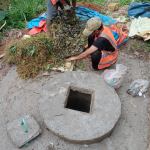
  • Compost Wells

In-ground compost wells allow organic waste to decompose directly into the soil, improving local soil health and groundwater quality. A low-tech, high-impact solution suited for dense urban neighborhoods.
Voices from the ground

Real people, real change

I never imagined that our household waste could pay for my children's school supplies. BSU Mandiri changed how our whole family thinks about what we throw away.
Testimoni
Nenden Resident & program member
When money was short, BSU was the answer. The savings I built up through waste deposits helped our family get through a very difficult month. I'm deeply grateful.
Ai Julaeha Resident & program member
We used to burn our kitchen scraps. Now that organic waste goes to the maggot unit and compost bin and we get fertilizer back. It feels like real change, not just talk.
Siti Rahayu Resident & organic program participant